


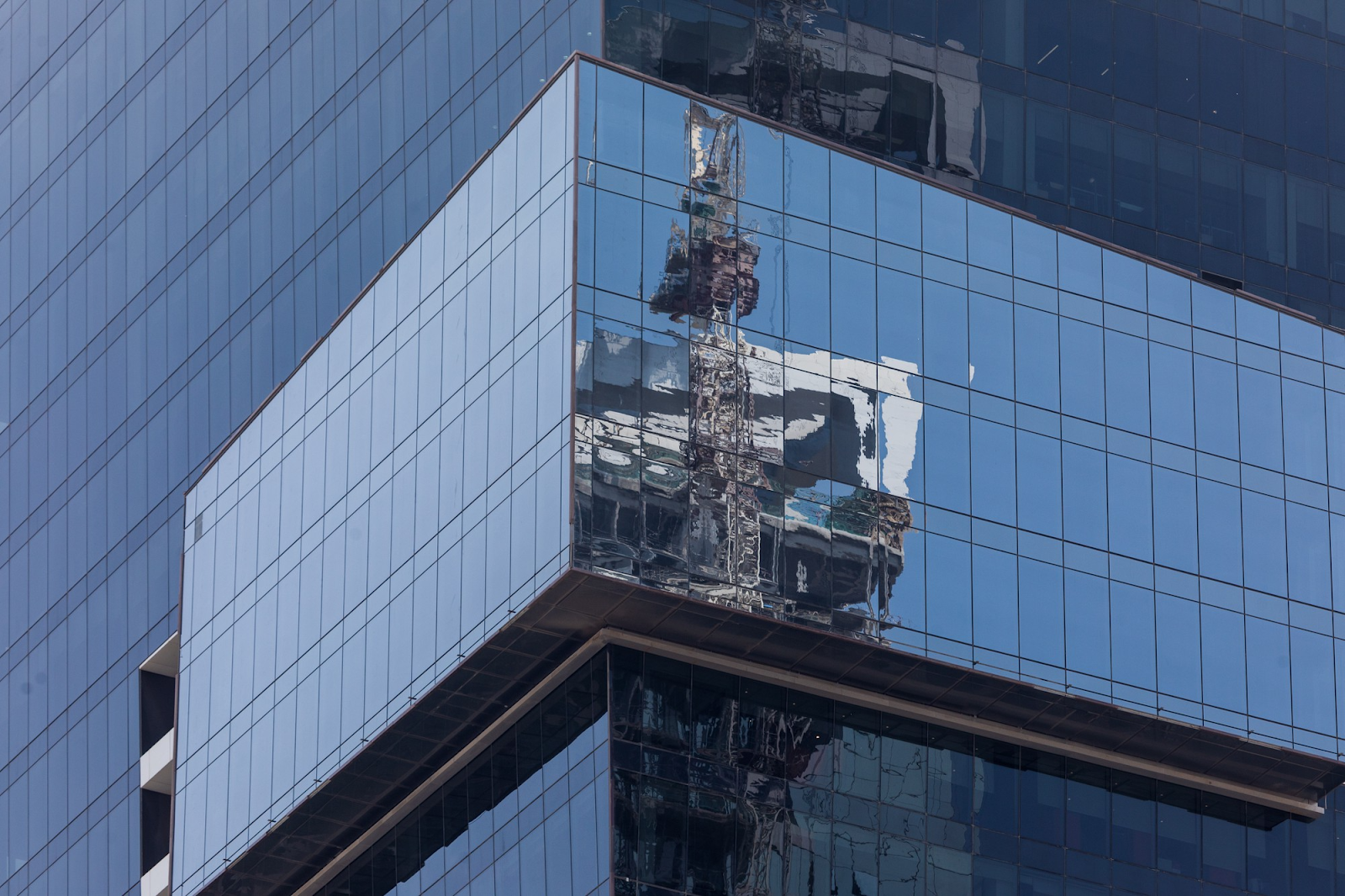
Natural light is a valuable commodity in the commercial space, offering a range of benefits that can have a significant impact on a business’s operations, energy efficiency, and overall ambiance. One of the most effective ways to harness the power of natural light is through strategic window placement. In this guest post, we’ll explore the advantages of maximizing natural light and provide insights on how to achieve it through thoughtful commercial window placements.
The Benefits of Natural Light in Commercial Spaces
The importance of natural light in commercial settings cannot be overstated. Studies have shown that exposure to natural light can have a positive impact on employee productivity, mood, and overall well-being. Additionally, natural light can contribute to significant energy savings by reducing the need for artificial lighting during the day.
Beyond the practical benefits, natural light also plays a crucial role in creating an inviting and visually appealing space for customers, clients, and employees. Well-lit environments can foster a sense of openness, warmth, and vibrancy, which can translate into a more positive customer experience and a more engaged workforce.
Strategizing Commercial Window Installation
To maximize the benefits of natural light, it’s essential to carefully consider the placement of commercial window installation. Here are some key factors to keep in mind:
Orientation and Positioning
The orientation and positioning of windows can significantly impact the amount of natural light that enters a commercial space. Strategically placing windows to take advantage of the sun’s path throughout the day can help ensure consistent and well-distributed illumination.
For example, windows facing east or west can capture the sun’s rays in the morning and afternoon, respectively, while north-facing windows provide a more diffused, even light throughout the day. Consulting with an architect or design professional can help identify the optimal window placement for your specific commercial space.
Window Size and Shape
The size and shape of commercial windows can also play a crucial role in maximizing natural light. Larger windows, or a series of strategically placed windows, can allow for more natural light to flood the space. Additionally, considering the shape of the windows, such as floor-to-ceiling designs or panoramic layouts, can enhance the amount of light and create a more open, airy atmosphere.
Complementary Design Elements
To further amplify the effects of natural light, it’s essential to consider the design elements that surround the windows. Choosing light-colored, reflective surfaces for walls, floors, and furnishings can help bounce and diffuse the natural light throughout the space. Minimizing obstructions, such as large furniture pieces or heavy window treatments, can also ensure unimpeded access to the natural light.
The Impact of Window Replacements
In some cases, the existing commercial windows may not be optimized for natural light, and a window replacement project may be necessary. When considering window replacements, it’s important to prioritize energy efficiency, as well-insulated, high-performance windows can further enhance the energy-saving benefits of natural light.
Additionally, the selection of window materials, such as low-e glass or energy-efficient frames, can significantly impact the amount of natural light that enters the space while also improving the overall thermal performance of the building.
Conclusion
By considering factors such as orientation, window size, and complementary design elements, businesses can unlock the full potential of natural light and reap the many benefits it has to offer. Whether through thoughtful window placements or strategic window replacements, the opportunities to harness the power of natural light are abundant, and the rewards can be truly transformative.
