


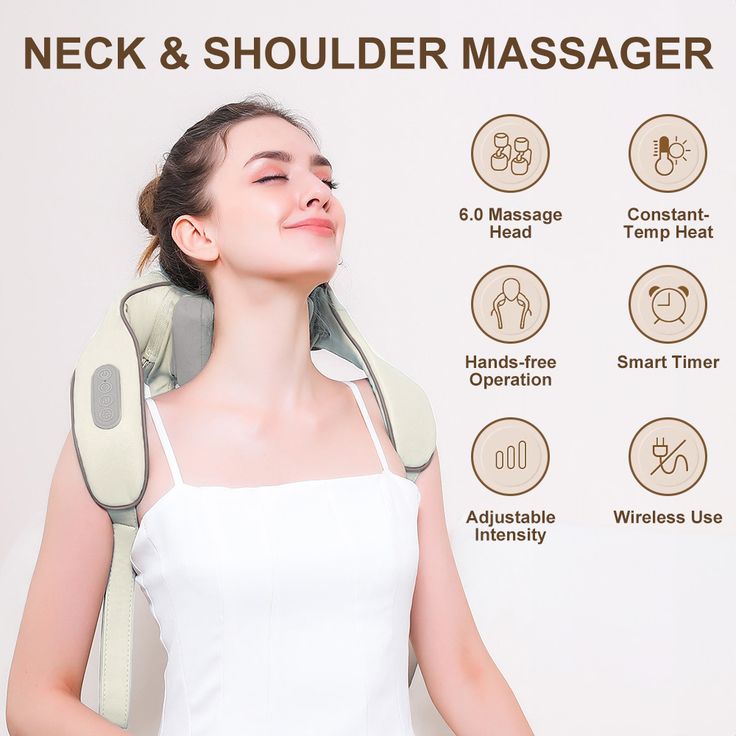
Shoulder massagers are no longer one-size-fits-all devices. Modern designs are built around customization, allowing users to adjust intensity, speed, and sometimes even heat levels to match their personal comfort and muscle condition. This flexibility is important because shoulder tension is not uniform—what feels soothing on one day may feel too strong or too light on another.
Understanding intensity settings helps users get better results, avoid discomfort, and turn a simple massage session into a more effective recovery routine.
Why Intensity Matters in Shoulder Massage
Muscle tissue responds differently depending on how much pressure is applied. The shoulder area, especially the trapezius muscles, is highly sensitive due to constant use in posture and stress response.
Intensity control allows users to match massage strength with their actual needs:
- Light intensity for relaxation
- Medium intensity for everyday tension
- High intensity for deep muscle stiffness
Without proper adjustment, massage can either feel ineffective or overly strong, reducing its benefits.
How Shoulder Massagers Control Intensity
Most modern shoulder massagers use mechanical and digital systems to regulate pressure and speed.
1. Motor Speed Adjustment
One of the most common methods of intensity control is motor speed variation. Faster rotation increases stimulation, while slower movement provides deeper, more focused pressure.
Lower speeds are typically used for:
- Relaxation
- Sensitive muscles
- Warm-up sessions
Higher speeds are used for:
- Deep tension
- Muscle knots
- Post-workout recovery
2. Pressure Depth Control
Some advanced devices adjust how deeply massage nodes press into the muscle. This creates a more physical change in sensation rather than just speed variation.
Deeper pressure targets tight muscle layers, while shallow pressure focuses on surface relaxation.
3. Mode-Based Settings
Many shoulder massagers include preset modes that combine different intensity patterns. These modes may alternate between kneading, rolling, and pulsing to simulate varied massage techniques.
Common modes include:
- Relaxation mode
- Deep tissue mode
- Recovery mode
- Gentle massage mode
Each mode is designed to match different user needs without manual adjustment.
4. Heat Integration as a Soft Intensity Layer
Heat does not increase mechanical force, but it enhances perceived intensity by relaxing muscles beforehand. Warm tissue responds more easily to pressure, making even lower settings feel more effective.
This allows users to achieve deep relaxation without always relying on high intensity levels.
Matching Intensity to Muscle Condition
Choosing the right intensity depends on how your muscles feel at the time of use.
Light Intensity: For Relaxation and Stress Relief
Light settings are ideal when muscles are not overly tight but need calming. This level is often used:
- After a long day
- Before sleep
- During stress or anxiety
- For general relaxation
It helps reduce mild tension without overstimulating the muscles.
Medium Intensity: For Daily Shoulder Tension
Medium settings are the most commonly used level. They balance comfort and effectiveness, making them suitable for everyday muscle fatigue caused by desk work or routine activity.
This level helps:
- Release moderate stiffness
- Improve circulation
- Maintain muscle flexibility
High Intensity: For Deep Muscle Tightness
High intensity is designed for stubborn knots and chronic tension Neck and Shoulder Massager. It applies stronger pressure to reach deeper muscle layers in the trapezius and upper back.
This setting is best used:
- After long hours of sitting
- Following physical strain
- For persistent shoulder stiffness
However, it should be used carefully to avoid discomfort.
Common Mistakes When Using Intensity Settings
Even with advanced devices, improper use can reduce effectiveness.
Starting Too High
Jumping directly to high intensity can cause muscle resistance rather than relaxation. Muscles may tighten instead of loosening.
Staying at One Setting Only
Using the same intensity every time can limit results. Muscles benefit from variation depending on condition.
Ignoring Body Feedback
Discomfort is a sign that intensity should be reduced. Effective massage should feel firm but not painful.
How to Choose the Right Setting
A simple approach can help users decide:
- If muscles feel slightly tired → low intensity
- If muscles feel tight but manageable → medium intensity
- If muscles feel stiff or knotted → high intensity
Adjustments should always be based on current physical condition rather than habit.
The Role of Consistency in Results
Intensity alone does not determine effectiveness. Regular use at appropriate settings is more important than occasional high-pressure sessions.
Short, consistent massage routines help:
- Prevent buildup of tension
- Improve circulation over time
- Maintain better posture comfort
Combining Intensity With Other Features
Intensity settings work best when combined with other massage features.
Heat Therapy
Enhances muscle relaxation and makes lower intensity more effective.
Kneading Motion
Improves deep tissue engagement, especially at medium and high settings.
Rhythm Variation
Prevents muscles from adapting too quickly to a single pattern.
Finding the Right Balance
The goal of intensity control is not to apply maximum pressure but to find the most effective level for your body at a given time. Comfort and effectiveness should always work together.
A balanced approach ensures:
- No overstimulation
- Better muscle response
- Sustainable daily use
Final Thoughts
Intensity settings are what make modern shoulder massagers truly personalized tools. By allowing users to adjust pressure, speed, and massage style, they adapt to changing muscle conditions and daily stress levels.
When used correctly, these settings turn a simple device into a flexible recovery system—capable of providing gentle relaxation one day and deep tissue relief the next.
Understanding and using these options wisely helps ensure better comfort, improved muscle recovery, and a more effective massage experience overall.