


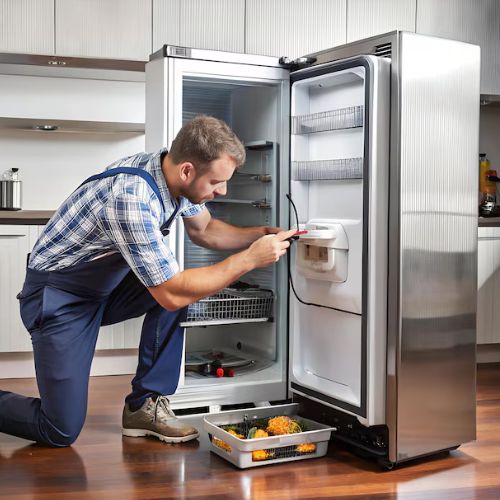
A refrigerator is one of the hardest-working appliances in any home. It runs around the clock to keep food fresh, preserve leftovers, and maintain safe storage temperatures. When something goes wrong, it can be frustrating and expensive if you immediately assume professional repairs are necessary. Fortunately, many refrigerator issues have simple causes that homeowners can identify and fix themselves.
Before calling a Refrigerator Repair in Orange County technician, take a closer look at your appliance. Here are five common refrigerator problems you can troubleshoot on your own, along with practical steps to help restore proper performance.
1. Refrigerator Isn’t Cooling Properly
One of the most common complaints is that the refrigerator is running but not keeping food cold enough. This issue can stem from several simple causes.
Possible Causes
- Dirty condenser coils
- Incorrect temperature settings
- Blocked air vents
- Overloaded refrigerator
How to Fix It
Start by checking the temperature settings. Most refrigerators perform best when set between 37°F and 40°F (3°C to 4°C).
Next, inspect the condenser coils, usually located behind or underneath the unit. Dust and debris can build up over time, reducing cooling efficiency. Unplug the refrigerator and use a coil brush or vacuum cleaner to remove dirt.
Make sure food items are not blocking interior air vents. Proper airflow is essential for maintaining consistent temperatures throughout the appliance.
Finally, avoid overloading shelves. A packed refrigerator can restrict air circulation and cause uneven cooling.
2. Water Leaking on the Floor
Finding a puddle of water around your refrigerator can be alarming, but the cause is often easy to identify.
Possible Causes
- Clogged defrost drain
- Cracked drain pan
- Improper door sealing
How to Fix It
Check the defrost drain, typically located inside the freezer compartment. Food particles or ice can block the drain, causing water to back up and leak onto the floor.
Flush the drain with warm water using a turkey baster or small funnel. If ice is causing the blockage, carefully melt it using warm water.
Inspect the drain pan underneath the refrigerator. If it is cracked or damaged, it may need replacement.
Also examine the door gaskets. Poor seals can allow warm air to enter, creating excess condensation that may lead to leaks.
3. Refrigerator Is Making Strange Noises
While refrigerators naturally produce some sounds, loud or unusual noises can indicate a problem.
Common Sounds and Causes
- Buzzing: Dirty condenser coils or compressor issues
- Rattling: Loose components or objects touching the refrigerator
- Clicking: Defrost timer or relay problems
- Humming: Fan motor operation
How to Fix It
Pull the refrigerator slightly away from the wall and check for loose panels or items vibrating against the appliance.
Clean the condenser coils if they are dirty. Dust buildup can force the compressor to work harder and create unusual sounds.
Inspect the evaporator and condenser fans for obstructions. Small pieces of debris can interfere with fan operation and cause rattling or buzzing.
If the noise continues after basic maintenance, professional service may be required.
4. Frost Buildup in the Freezer
Modern frost-free freezers are designed to prevent excessive ice accumulation. If you notice thick frost on walls or shelves, there may be a simple issue affecting the defrost system.
Possible Causes
- Door left open
- Damaged door gasket
- Blocked air vents
- Frequent door openings
How to Fix It
First, check that the freezer door closes completely. Even a slight gap can allow humid air to enter and create frost.
Inspect the rubber gasket around the door. Look for cracks, tears, or areas where the seal isn’t making proper contact.
Clean the gasket with warm, soapy water to remove dirt that may prevent a tight seal.
Avoid leaving the freezer door open longer than necessary, especially in humid environments.
If frost continues to return quickly after defrosting, a faulty defrost component may require professional diagnosis.
5. Refrigerator Door Won’t Close Properly
A refrigerator door that won’t shut completely can lead to higher energy bills, spoiled food, and cooling problems.
Possible Causes
- Dirty door gasket
- Misaligned shelves or drawers
- Uneven refrigerator placement
- Worn-out hinges
How to Fix It
Begin by checking whether food containers, shelves, or crisper drawers are preventing the door from closing.
Clean the gasket thoroughly using warm water and mild detergent. Dirt buildup can weaken the seal.
Use a level to ensure the refrigerator sits evenly on the floor. Many refrigerators are designed to tilt slightly backward so the door closes naturally.
Adjust the leveling feet if necessary.
Inspect hinges for loose screws and tighten them as needed. In some cases, worn hinges may need replacement.
Safety Tips Before Troubleshooting
Whenever working on a refrigerator:
- Unplug the appliance before cleaning or inspecting components.
- Avoid using sharp tools to remove ice buildup.
- Wear gloves when handling dirty coils or internal parts.
- Consult the owner’s manual for model-specific instructions.
If you suspect electrical issues, refrigerant leaks, or compressor failure, contact a qualified appliance repair technician.
When to Call a Professional
While many refrigerator problems can be solved with simple maintenance, some situations require expert assistance. Consider professional repair if:
- The refrigerator stops running entirely.
- The compressor repeatedly cycles on and off.
- Cooling remains inadequate after cleaning and adjustments.
- Electrical burning smells are present.
- Water leaks continue despite clearing drains.
Professional diagnosis can prevent further damage and ensure safe operation.
Conclusion
Many refrigerator issues that seem serious at first are actually caused by simple maintenance problems. Dirty condenser coils, clogged drains, poor door seals, and airflow restrictions are among the most common culprits. By performing a few basic troubleshooting steps, homeowners can often restore proper performance without the expense of a service call.
Regular cleaning and inspection can also help prevent future problems, extending the lifespan of your refrigerator and keeping your food safely preserved year-round.